 9,1
9,1

 Sleep aids
 Snoring
 Mouth guard
 Teeth Whitening Tray
 Maintenance & Cleaning
 Sleep Toolbox
Earplugs for Better Sleep in Noisy Homes
Noise Control Starts with the Right Fit
When people look for earplugs for sleep, they often focus on noise reduction first. That matters, but the real starting point is fit. An earplug that promises strong sound blocking will not help much if it loosens during the night, creates pressure, or sits awkwardly in the ear canal. In noisy homes, where sounds may include snoring, traffic, doors, or early-morning activity, a secure but gentle seal is what makes noise and sleep easier to manage.
The right fit supports both comfort and consistent sound dampening. If the plug is too small, outside noise can leak in and wake you between sleep cycles. If it is too large, it may feel intrusive and cause soreness before morning. People who sleep on their side usually notice poor fit fastest, because pillow pressure pushes directly against the ear.
A well-fitted earplug should feel stable, soft and easy to forget once you fall asleep
For most sleepers, it helps to compare a few styles before deciding what works best. Look at:
Ear canal size and sensitivity
Whether you sleep on your side, back, or stomach
How much noise reduction you actually need
How easily the plugs stay in place overnight
Sleep Coach emphasizes practical, home-use sleep solutions, and that same thinking applies here: the best sleeping earplugs are not simply the strongest ones. They are the pair that matches your ears, your sleeping position, and your home environment well enough to improve overnight comfort night after night.
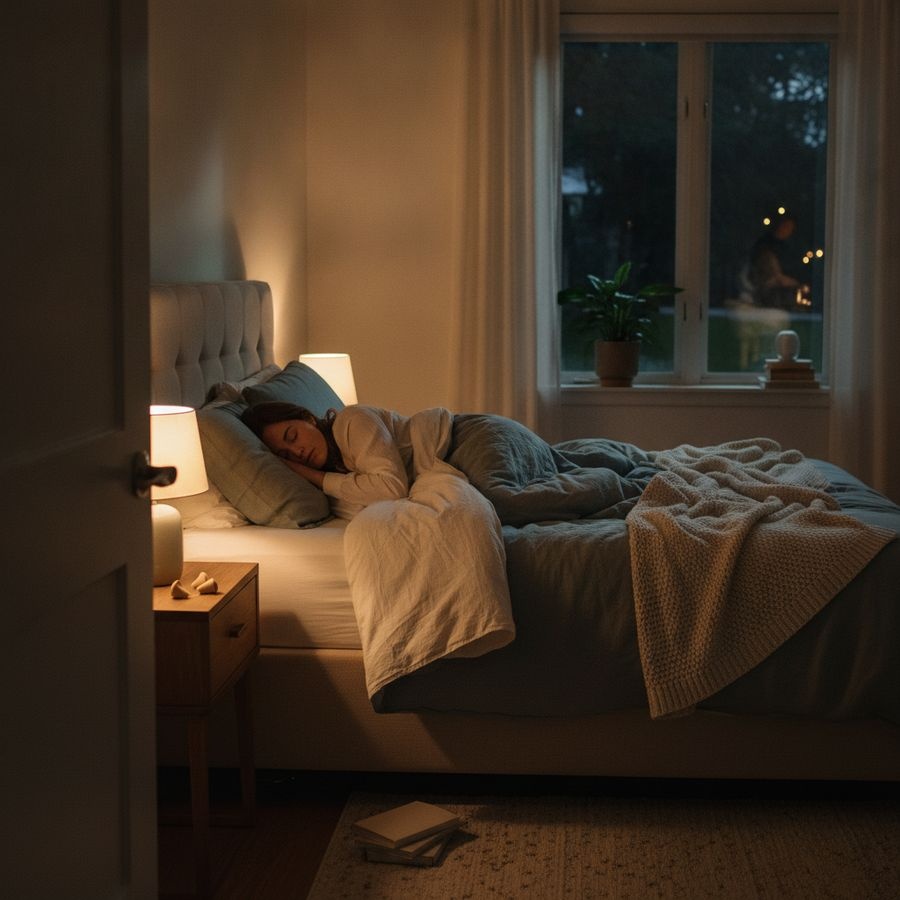
Which Sleeping Earplugs Feel Comfortable Overnight?
Overnight comfort is what separates a useful product from one that ends up in a bedside drawer. Many people can tolerate earplugs for an hour or two, but sleeping through the night is different. Pressure builds slowly, body temperature changes, and small irritation can become a reason to wake up. That is why the most comfortable sleeping earplugs are usually the ones designed with softness, flexibility, and low-profile shape in mind.
Soft foam plugs are popular because they expand gently and can block a broad range of household sounds. Silicone options often feel smoother on sensitive skin and may work well for lighter sleepers who dislike the expanding feeling of foam. Wax-style earplugs can also be appealing because they mold to the outer ear rather than pressing deeply into the canal, though they do not suit everyone.
Comfort also depends on how aware you are of your ears while trying to fall asleep. Some sleepers prefer barely-there plugs with moderate sound reduction, while others want more isolation even if the plug feels more noticeable at first.
The most comfortable earplugs are not always the quietest — they are the ones you can wear without fidgeting or pain
If you are testing options, give each pair a few nights before judging. The goal is to find earplugs for sleep that reduce disturbance without making your ears feel hot, full, or tender by morning. A calm bedtime routine and a suitable pillow can also make comfort easier to maintain.
How Do Earplugs Affect Sleep Continuity?
One of the main reasons people use earplugs for sleep is to protect sleep continuity. In simple terms, sleep continuity means staying asleep with fewer interruptions and moving through normal sleep cycles more smoothly. In a noisy home, even short sounds that do not fully wake you can trigger partial arousals. You may not remember them the next morning, but they can still leave you feeling less restored.
By lowering the impact of sudden noise, sleeping earplugs may help the brain react less strongly to common disturbances such as hallway footsteps, plumbing sounds, a partner shifting in bed, or light street noise. That can support longer stretches of uninterrupted rest, especially during the lighter stages of sleep when you are easiest to wake.
Still, earplugs are not a cure-all. If the fit is irritating, if anxiety is high, or if the home noise level is extremely variable, they may only solve part of the problem. Earplugs work best as one tool within a broader sleep setup that includes good sleep habits, a comfortable bedroom, and realistic noise expectations.
Reducing nighttime sound does not just help you fall asleep — it can help you stay asleep
For many people, the biggest benefit is fewer awakenings from preventable household noise. Over time, that can lead to better perceived rest, steadier energy, and less frustration around bedtime. If noise and sleep have become a regular struggle, the right pair may be a simple step toward more consistent nights.
Material and Shape Change Long-wear Comfort
The material and shape of an earplug strongly influence how it feels after several hours of wear. This matters because a plug that seems fine at bedtime may feel very different at 3 a.m. when you have rolled onto your side or when the ear canal has warmed up. For long-wear use, softness alone is not enough. The material must also be stable, breathable enough for your comfort level, and shaped to stay put without excessive pressure.
Foam earplugs are often chosen for stronger noise reduction, but quality varies. Softer, slower-expanding foam may feel gentler than dense foam that pushes outward too quickly. Silicone can feel smoother and less drying for some users, while moldable styles may help those who dislike deep insertion. Low-profile shapes are usually a smart option for side sleepers because they reduce friction between the ear and the pillow.
It is also worth noticing how different shapes affect insertion and removal. Tapered plugs may be easier for beginners, while contoured designs can improve stability. The “best” design is personal, which is why trial and comparison are so useful.
Choose softer materials if your ears feel sore easily
Choose low-profile shapes if you sleep on your side
Choose stable designs if plugs tend to fall out overnight
Choose moderate insertion depth if deep pressure feels uncomfortable
When selecting sleeping earplugs, think beyond sound blocking. Material and shape are central to overnight comfort, especially if you plan to use them regularly in a naturally better sleep routine.
What Cleaning Habits Keep Earplugs Hygienic?
Good earplug hygiene is essential if you use earplugs often. During sleep, earplugs come into contact with skin oils, earwax, sweat, and dust from bedding. Without regular care, buildup can affect comfort, shorten product lifespan, and increase the chance of irritation. Clean earplugs simply feel better, seal more consistently, and are more pleasant to use night after night.
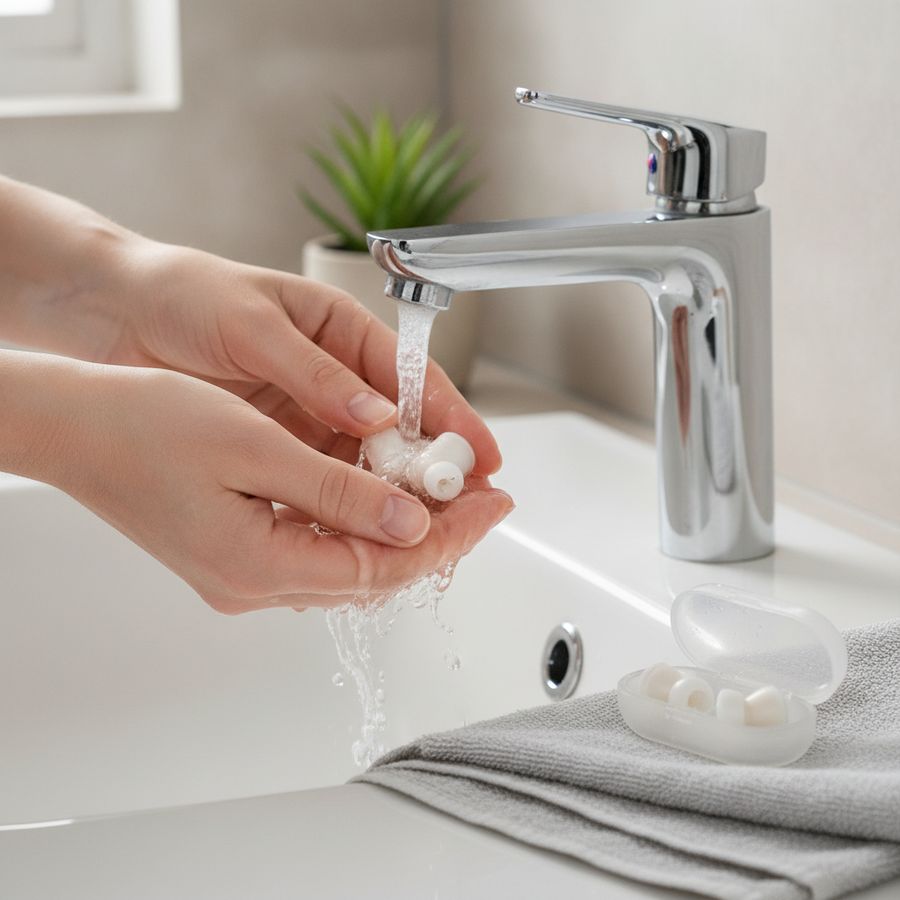
The right cleaning habit depends on the type of earplug. Disposable foam options are usually not designed for extended reuse, especially once they lose shape or look soiled. Reusable silicone or similar materials can often be cleaned gently with mild soap and lukewarm water, then dried thoroughly before storage. Storing them in a clean, ventilated case helps prevent moisture and debris from collecting between uses.
Hygienic earplugs are not just cleaner — they are often more comfortable and reliable
A simple routine makes a big difference:
Wash your hands before handling earplugs
Inspect them for wax, cracks, or surface damage
Clean reusable pairs according to product instructions
Let them dry fully before placing them in a case
Replace disposable or worn-out plugs promptly
Because Sleep Coach places strong emphasis on maintenance for sleep-related products, this practical approach fits naturally with better sleep habits overall. If you want earplugs for sleep to remain pleasant and dependable, hygiene should be part of the routine, not an afterthought. A cleaner product supports healthier use and a more comfortable bedtime experience.
Finding the Safest Routine for Regular Use
Using earplugs for sleep regularly can be an effective solution in a noisy environment. However, the best approach balances noise reduction, comfort, and ear health. Earplugs should not cause pain, persistent pressure, or irritation in the morning. If you experience any discomfort, it's essential to adjust your routine, whether by trying a different size, opting for a softer material, or selecting a reusable option that fits better.
Safety also means using earplugs with awareness. They may reduce your perception of household sounds, so you should consider whether you still need to hear important alarms or caregiving cues. Some people prefer earplugs that soften environmental noise rather than block everything heavily. That approach can be especially helpful if you want relief from background disturbance without feeling cut off from your surroundings.
Regular users should also build in a few checkpoints. Notice whether your ears feel itchy, blocked, or unusually waxy. Replace disposable plugs on schedule, and stop using any reusable pair that shows wear, rough edges, or changes in texture. If you have ongoing ear discomfort or a history of ear infections, getting individual advice from a healthcare professional is sensible.
The safest sleep routine is the one that improves rest without creating new discomfort
Ultimately, the best sleeping earplugs are those you can use consistently, hygienically, and comfortably. When fit, material, and earplug hygiene all work together, earplugs can become a reliable part of a calmer, healthier sleep environment.