 9,1
9,1

 Sleep aids
 Snoring
 Mouth guard
 Teeth Whitening Tray
 Maintenance & Cleaning
 Sleep Toolbox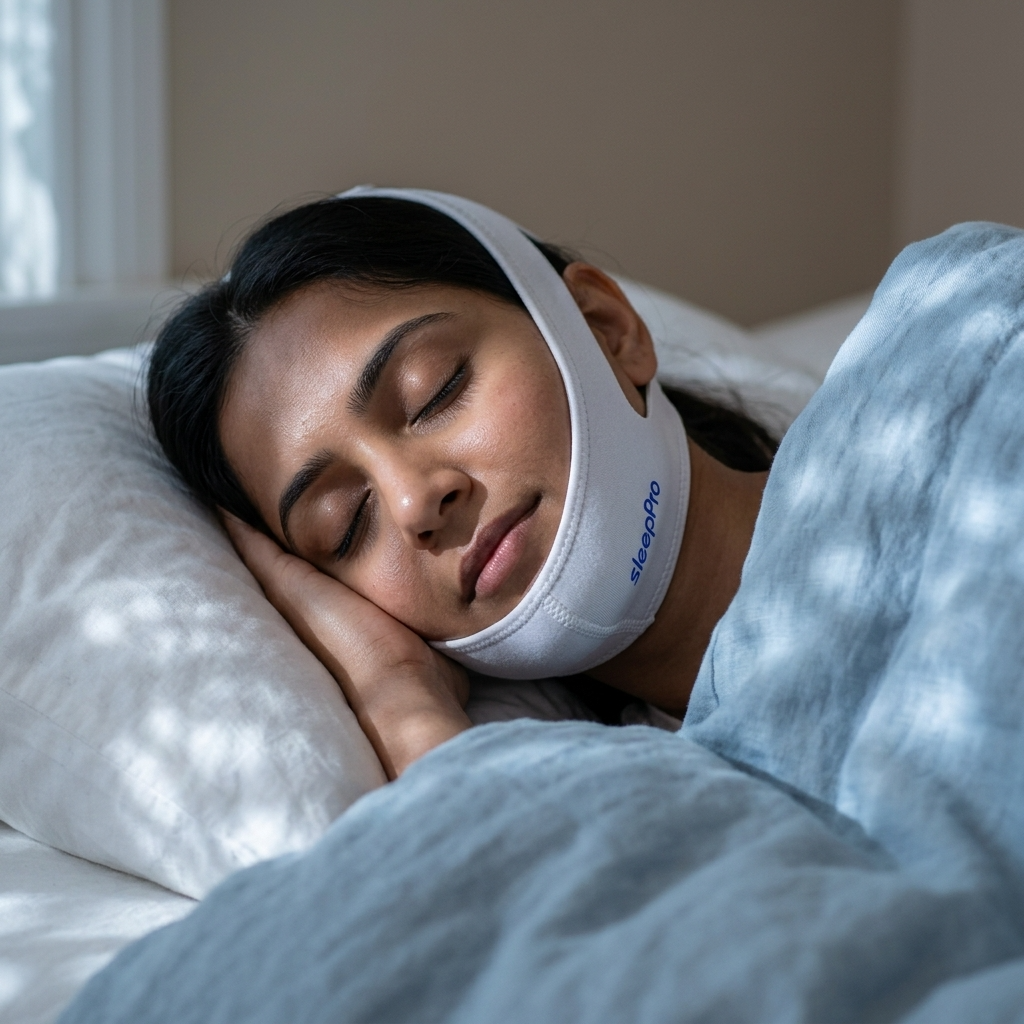
Chin Strap for Snoring: Help or Hype?
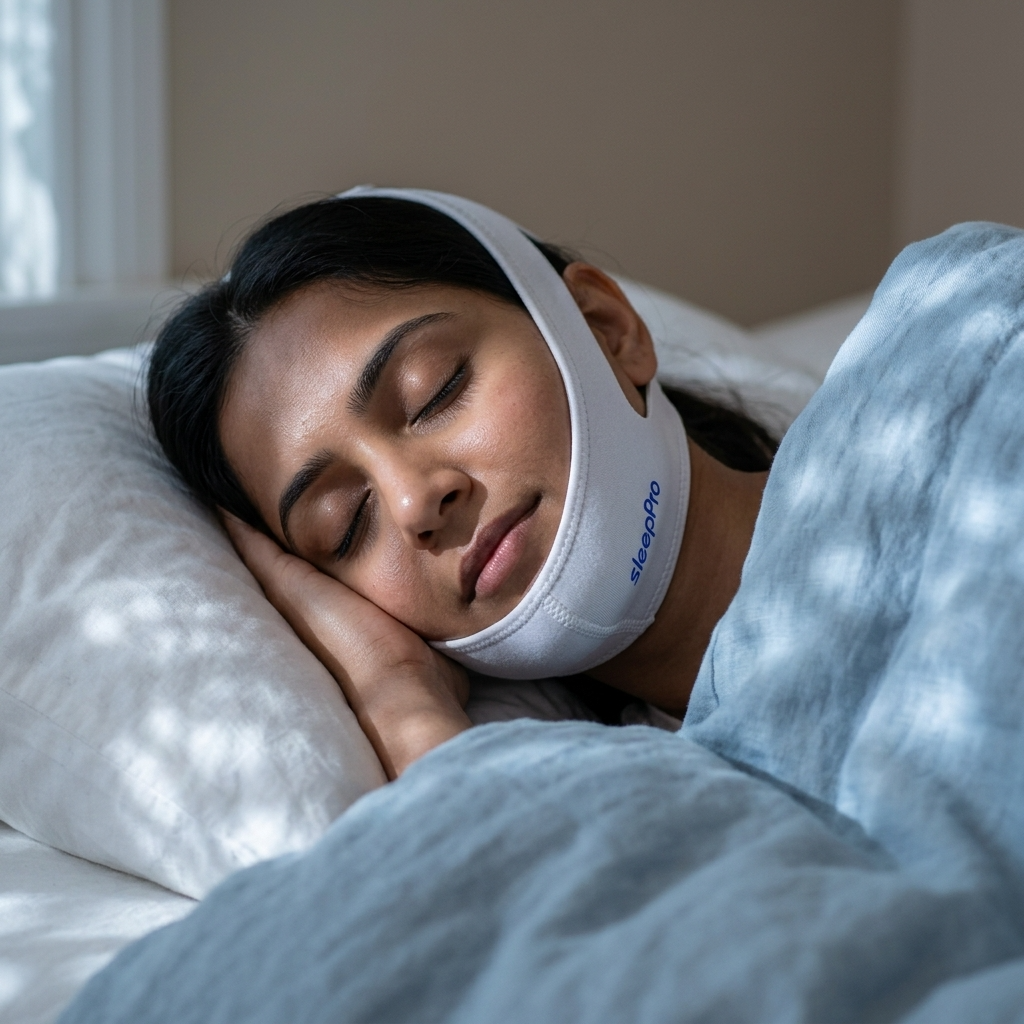
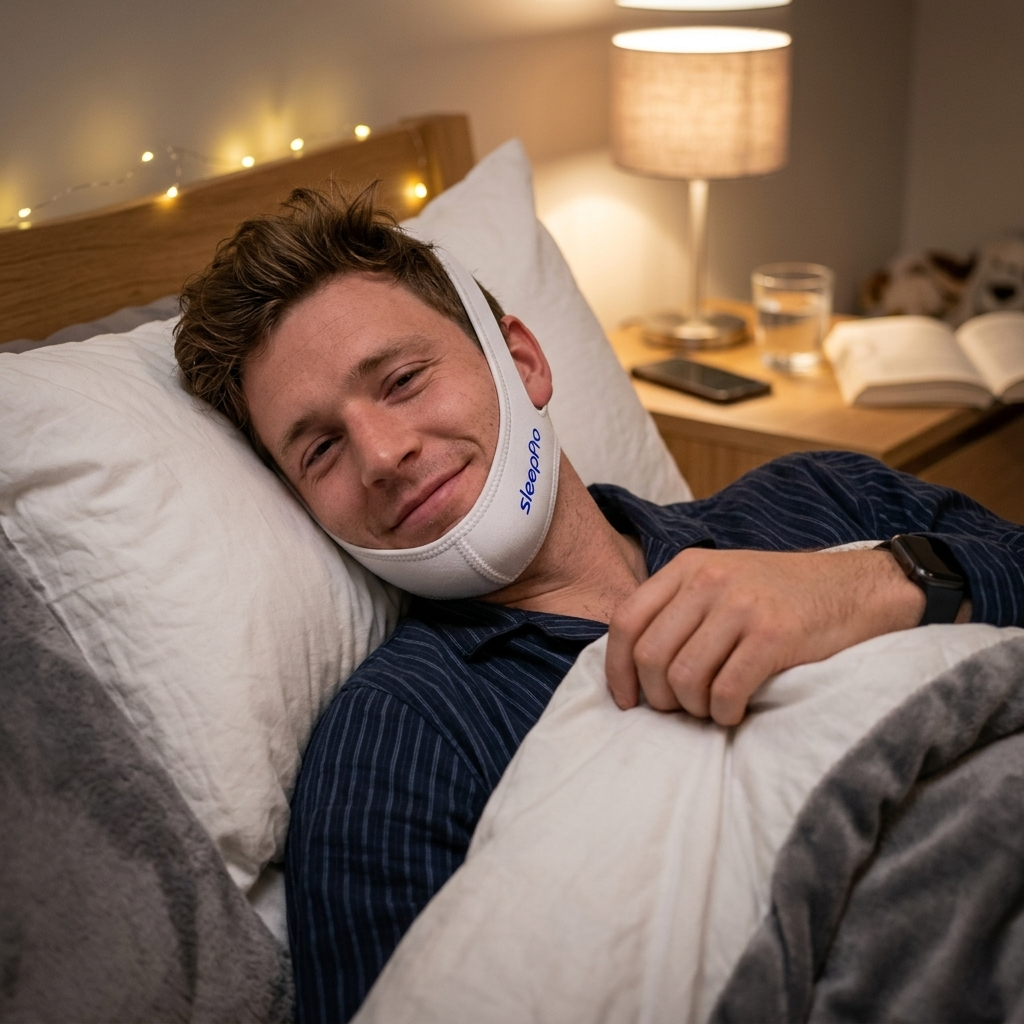
A chin strap for snoring is one of the simplest sleep aids on the market, but simple does not always mean universally effective. These soft straps wrap around the chin and head to help keep the mouth closed during sleep. For some people, that support can reduce noisy breathing and improve sleep comfort. For others, it may do very little, especially if snoring is caused by something deeper than an open mouth.
The main idea behind this type of snoring device is straightforward: if your mouth drops open at night, airflow can become drier, less stable, and louder. A chin strap may encourage nasal breathing instead, which can sometimes create calmer, quieter sleep. That is why it is often discussed as a form of gentle snoring support rather than a one-size-fits-all solution.
Chin straps can be helpful for mouth-open sleepers, but they are not a cure for every type of snoring.
Sleep-focused brands such as Sleep Coach position chin straps alongside nasal dilators, anti-snoring mouthpieces, and other practical tools for better rest. That wider context matters. If you are deciding whether a chin strap is help or hype, the answer usually depends on why you snore, whether mouth breathing is involved, and how comfortable the strap feels through the night.
Why Mouth Breathing Can Worsen Snoring
Mouth breathing often makes snoring worse because it changes how air moves through the upper airway. When the mouth falls open during sleep, the tongue and soft tissues may settle in a way that encourages vibration. That vibration is what creates the snoring sound. At the same time, breathing through the mouth can dry out the throat, making tissues more irritated and noisy as the night goes on.
Nasal breathing usually offers better airflow control. The nose helps warm, filter, and humidify the air before it reaches the throat. When that natural process is bypassed, breathing can become less efficient and less comfortable. People who wake with a dry mouth, scratchy throat, or frequent thirst may be experiencing this pattern night after night.
Common reasons mouth breathing contributes to louder snoring include:
the jaw relaxing too far open
increased throat dryness and tissue irritation
less stable airflow during sleep
more vibration in soft palate tissues
Snoring support often starts with identifying this breathing pattern. If your snoring is mostly linked to an open mouth, a chin strap for snoring may help redirect airflow through the nose. But if nasal blockage is present, simply closing the mouth may not solve the problem and may even feel uncomfortable.
How a Chin Strap Works
A chin strap for snoring works by applying gentle upward support under the chin and around the head. The goal is not to clamp the jaw shut. Instead, it helps keep the mouth from dropping open as the muscles relax during sleep. That small change can be enough to encourage more consistent nasal breathing in people whose snoring gets worse when their mouth opens.
Most designs are made from soft, stretchable fabric with adjustable fastening. A well-fitted strap should feel secure but not tight. If it presses too hard, it can create jaw tension, discomfort, or a feeling of restriction. A good fit supports the jaw naturally and stays in place as you move.
The best chin strap is one you barely notice after a few minutes, yet it still keeps your jaw from falling open.
It is also important to understand what this snoring device does not do. It does not reposition the lower jaw like an anti-snoring mouthpiece, and it does not open the nasal passages like a nasal dilator. Its function is narrower:
support the chin
reduce open-mouth sleeping
promote nasal breathing when possible
improve overnight sleep comfort for the right user
That is why some people see a clear benefit, while others need a different or combined approach.
Who Should Avoid Chin Straps
Although a chin strap can be a useful form of snoring support, it is not right for everyone. The biggest concern is nasal blockage. If you cannot breathe comfortably through your nose, using a strap to keep your mouth closed may feel frustrating or even unsafe. People with chronic congestion, untreated allergies, a severe cold, or structural nasal issues should be careful before trying one.
Another group that should be cautious includes people with suspected sleep apnoea symptoms, such as choking awakenings, witnessed breathing pauses, or extreme daytime fatigue. In those cases, snoring may be a sign of a more serious sleep-breathing disorder. A simple snoring device should not replace proper medical evaluation.
You may want to avoid or pause chin strap use if you have:
difficulty breathing through the nose
jaw pain or temporomandibular joint discomfort
claustrophobia or sensitivity to headgear
untreated sleep apnoea concerns
skin irritation from fabrics or straps
Mouth breathing is common, but the reason behind it matters. If it comes from blocked nasal passages, forcing the mouth shut does not address the cause. In those situations, comfort-focused sleep solutions such as nasal support or a different anti-snoring option may be more appropriate.
Combining Chin Straps with Nasal Support
For many people, the best results come not from a single tool but from the right combination. A chin strap for snoring is often more effective when paired with some form of nasal support. That is because the strap encourages the mouth to stay closed, while nasal support helps make nose breathing easier and more comfortable.
If your nose feels even slightly restricted at night, you may unconsciously return to mouth breathing. In that case, the strap alone can feel awkward. Adding a nasal dilator or addressing temporary congestion may improve airflow enough to make the strap useful rather than annoying.
When the nose is open, a chin strap can guide breathing in a more natural direction instead of fighting against blocked airflow.
This combined approach may help with:
mild snoring linked to open-mouth sleep
dry mouth in the morning
better overnight sleep comfort
more stable use of a simple snoring device
Sleep-focused retailers often group chin straps with nasal dilators and mouthpieces for this reason: different causes of snoring may need different forms of support. If your snoring clearly worsens when your mouth falls open but your nose also feels stuffy, combining both strategies can be a more practical and realistic way to improve your night.
Comfort Tips for Overnight Wear
Even the most promising chin strap for snoring will not help if it is too uncomfortable to wear. Overnight comfort usually comes down to fit, fabric, and realistic expectations. Start by adjusting the strap so it supports the chin without pulling the jaw too high. A strap that feels overly tight can create pressure points, jaw soreness, or headaches by morning.
Breathable, soft materials usually feel better during longer wear. If you have sensitive skin, washing the strap regularly can also reduce irritation from sweat, oils, and product buildup. Clean equipment tends to feel fresher and more pleasant, which matters when you are trying to build a nightly habit.
Helpful ways to improve sleep comfort include:
test the fit for a few minutes before bedtime
pair it with clear nasal breathing
keep the strap clean and dry
choose a model with adjustable fasteners
stop using it if you feel jaw strain or breathing discomfort
Snoring support should feel practical, not punishing. It may take a few nights to adapt, but a well-fitted strap should become less noticeable over time. If discomfort stays high after several tries, that usually signals the need for a different type of snoring device rather than a tighter fit.
Conclusion
Is a chin strap for snoring help or hype? The most accurate answer is: it depends on the cause of your snoring. If your snoring is primarily due to mouth breathing and your nose is clear enough for comfortable nasal airflow, a chin strap can be a practical, low-tech solution. It may help reduce dry mouth, support quieter sleep, and enhance overall sleep comfort. To learn more about effective solutions for snoring, visit Sleep Coach.
At the same time, it is important not to expect too much from a single product. A chin strap is not a cure for every kind of snoring, and it is not the right choice for people with blocked nasal passages, persistent jaw discomfort, or possible sleep apnoea symptoms. In those situations, a different kind of snoring device or professional evaluation may be the smarter next step.
The best approach is to match the solution to the problem. For some sleepers, that means a chin strap alone. For others, it means combining it with nasal support or exploring another form of snoring support. Used thoughtfully, a chin strap is not hype at all. It is simply a targeted tool that works best when the fit, breathing pattern, and sleep needs all line up.