 9,1
9,1

 Sleep aids
 Snoring
 Mouth guard
 Teeth Whitening Tray
 Maintenance & Cleaning
 Sleep Toolbox
7 Signs You Need a Night Guard for Teeth Grinding
Teeth grinding, also called bruxism, is more common than many people realize. It often happens during sleep, which means you may not know you are doing it until symptoms begin to show up. While occasional pressure on the teeth may not cause major problems, repeated grinding and jaw clenching can strain the jaw muscles, wear down enamel, and disrupt restful sleep over time.
A night guard acts as a protective barrier between the upper and lower teeth. It does not always stop the muscle activity behind bruxism, but it can reduce the damage caused by nightly friction and pressure. For many people, that means less discomfort in the morning and better long-term protection for teeth and dental work.
Waking up with sore jaws, headaches, or sensitive teeth can be an early sign that your mouth is working too hard at night
In this guide, we will cover seven signs that may suggest you need a mouth guard, explain how these devices help, and show when it is smart to speak with a dentist. If you suspect nighttime grinding, paying attention early can help prevent more serious dental issues later.

Morning Jaw Pain and Tooth Sensitivity
One of the clearest signs of nighttime bruxism is waking up with a sore or tight jaw. If your face feels fatigued, your jaw joints click, or it is uncomfortable to chew breakfast, your jaw muscles may have been active all night. Repeated jaw clenching puts heavy pressure on the temporomandibular joints and surrounding muscles, often leaving them stiff by morning.
Tooth sensitivity is another common clue. Constant grinding can slowly thin the enamel, exposing the more sensitive layers underneath. You may notice a sharp reaction to cold drinks, hot coffee, or sweet foods even when you do not have a cavity. That combination of jaw discomfort and sensitivity should not be ignored.
Morning tightness in the cheeks or temples
Pain when opening the mouth wide
Teeth that feel tender without obvious dental decay
Increased sensitivity to temperature changes
A well-fitted night guard can cushion the bite and reduce direct tooth-on-tooth contact. While it is not a cure for every cause of teeth grinding, it can help protect your smile and ease the stress placed on your jaw during sleep.
Headaches Linked to Nighttime Teeth Grinding
Frequent morning headaches may have more to do with your bite than your pillow. During sleep, teeth grinding can overwork the muscles in the jaw, face, and temples. Because these muscles are connected, tension often spreads upward, creating dull headaches that are strongest when you first wake up. Many people describe the pain as pressure around the temples rather than a sharp migraine.
If these headaches happen alongside jaw soreness, clicking, or tooth discomfort, bruxism becomes a strong possibility. Nighttime muscle activity may also interrupt deep sleep, leaving you more tired and less able to recover from tension. That can create a frustrating cycle of poor sleep, headaches, and daytime fatigue.
Not every morning headache starts in the head — sometimes it starts with the jaw working through the night
A mouth guard may help by creating a protective cushion that reduces pressure on the teeth and limits the impact of clenching forces. It is especially worth exploring if headaches are recurring and no obvious cause has been found. When headache patterns continue, a dental evaluation can help confirm whether a night guard is the right next step.
Worn Enamel and Visible Bite Changes
One of the most serious long-term effects of teeth grinding is gradual enamel wear. Enamel is the hard outer layer that protects each tooth, but it does not grow back once it is lost. Grinding can flatten the biting surfaces, create small chips, and make teeth look shorter or more uneven over time. In severe cases, the changes become visible when you smile or bite down.
You may also notice that your bite feels different. Teeth might not meet the way they used to, or certain spots may feel unusually high or sensitive. These changes can affect comfort, chewing, and even the appearance of your smile. If you already have fillings, crowns, or veneers, bruxism can put extra strain on that dental work as well.
Flattened tooth edges
Small cracks or chips
Rough surfaces you can feel with your tongue
A bite that suddenly feels off
A night guard helps by preventing direct contact between upper and lower teeth. That protective layer can slow further wear and reduce the force placed on vulnerable areas. The earlier you act, the more natural tooth structure you may be able to preserve.
How a Night Guard Protects Teeth
A night guard is designed to sit over the teeth and absorb some of the force created by jaw clenching and grinding. Instead of your teeth scraping directly against each other, the guard becomes the contact surface. This can reduce wear, protect enamel, and help shield crowns, fillings, and other dental restorations from unnecessary pressure.
It is important to understand what a guard does and does not do. It may not completely stop the muscle habit behind bruxism, especially when stress or sleep patterns are involved. However, it can play a major role in limiting damage and improving comfort. Many people notice less tenderness in the jaw and fewer signs of overnight strain after regular use.
A mouth guard is less about masking the issue and more about protecting your teeth while you address the cause
Some guards are made for quick home fitting, while others are custom-made for a more precise feel. In either case, the goal is the same: to create a comfortable barrier that supports better oral health. For people with persistent teeth grinding, using a mouth guard can be a practical step toward protecting both sleep quality and long-term dental health.
Self-fit Versus Custom Night Guard Options
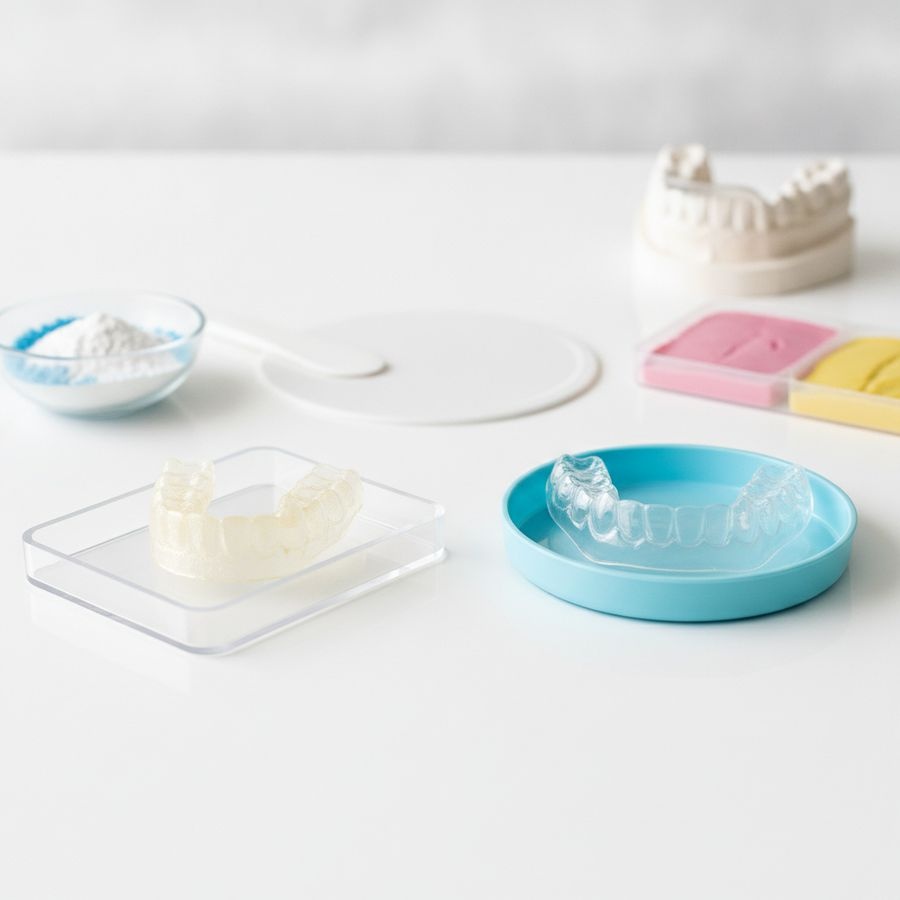
When choosing a night guard, many people compare self-fit and custom options. A self-fit guard, often called a boil-and-bite model, is softened in hot water and shaped at home. It is usually more affordable and faster to start using, which makes it a practical first step for people who want immediate protection from teeth grinding.
Custom guards are made from an impression of your teeth, creating a closer and more tailored fit. They are often more comfortable for long-term wear and may feel more secure during sleep. For heavier bruxism or frequent jaw clenching, that improved fit can make a noticeable difference in durability and comfort.
Self-fit: budget-friendly, convenient, faster to get started
Custom: precise fit, often more durable, typically better for ongoing use
The right choice depends on your symptoms, budget, and how severe your grinding is. Some people do well with a self-fit mouth guard, while others need a custom solution to avoid bulkiness or slipping. If you are unsure, think about how often symptoms occur and whether you have existing dental work that needs stronger protection.
When to Speak with a Dentist
A night guard can be helpful, but there are times when professional advice matters most. If you have ongoing jaw pain, frequent headaches, chipped teeth, or sensitivity that keeps getting worse, it is wise to speak with a dentist. These symptoms may point to moderate or severe bruxism, or they could be linked to bite issues, joint problems, or another dental concern that needs attention.
You should also seek help if your jaw locks, clicks painfully, or feels difficult to move. A dentist can examine wear patterns, check your bite, and determine whether a self-fit or custom mouth guard is more appropriate. In some cases, protecting the teeth is only one part of the solution, especially if stress, sleep disruption, or other habits are contributing to teeth grinding.
Early treatment is often simpler, less costly, and more protective than waiting until visible damage appears
If symptoms are mild, monitoring them may be enough at first. But when they become frequent or start affecting daily comfort, professional guidance can help you prevent more serious problems and choose the safest path forward.
Conclusion
If you wake up with jaw pain, tooth sensitivity, headaches, or notice changes in your bite, your body may be signaling that nighttime teeth grinding is becoming a real problem. Bruxism is easy to overlook because it often happens during sleep, but the effects can build gradually and lead to lasting dental damage if ignored.
A quality night guard can help protect enamel, reduce direct tooth pressure, and support more comfortable mornings. Whether you opt for a self-fit option or a custom mouth guard, it's crucial to recognize the signs early and take action before wear becomes severe. Protecting your teeth now can lead to fewer repairs and less discomfort later. For more information on night guards and how they can benefit you, visit Sleep Coach.
Sleep Coach focuses on practical, comfortable solutions for better sleep and oral protection, including guards designed to help with jaw clenching and grinding. If several of these signs sound familiar, it may be time to explore your options and, if needed, speak with a dentist. Small changes at night can make a big difference for your teeth, your jaw, and your overall sleep quality.