


 9,1
9,1

 Sleep aids
 Snoring
 Mouth guard
 Teeth Whitening Tray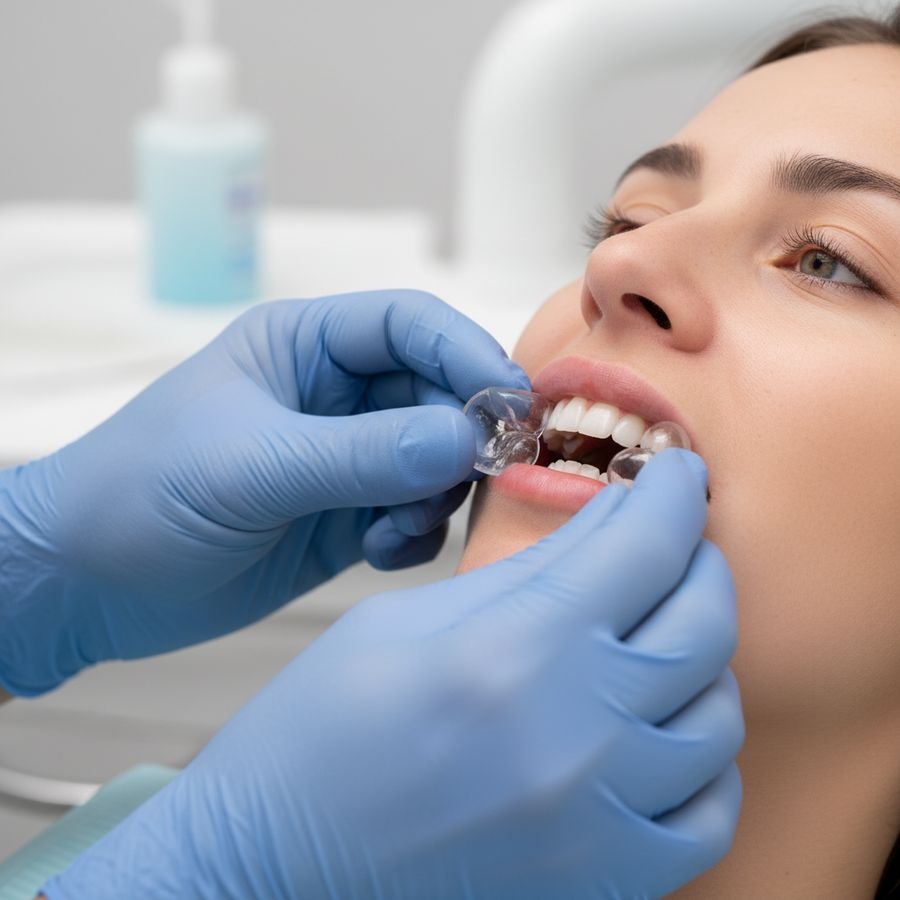
Bruxism, also known as nighttime teeth grinding, is a common condition that affects many people—often without them realizing it. It involves the unconscious clenching or grinding of the teeth, primarily during sleep.
Although widespread, bruxism is often underestimated. However, it can have significant consequences for oral health and overall well-being.
The causes of bruxism vary and may include stress, jaw misalignment, and sleep disturbances. Symptoms typically develop gradually. Jaw pain, headaches, and tooth wear often appear only after grinding has been ongoing for some time.
Early diagnosis and appropriate treatment are essential to prevent long-term damage. In addition to dental interventions such as wearing a night guard, relaxation techniques and behavioral changes play a crucial role. This article provides a comprehensive overview of symptoms, causes, and effective solutions for bruxism.
“Bruxism is more than just an annoying grinding sound—it can significantly impact quality of life.”
Recognizing Symptoms: Jaw Pain, Tooth Wear, Headaches
Because teeth grinding usually occurs during sleep, it often goes unnoticed for a long time. Many individuals only become aware of the condition when physical symptoms appear.
Key signs include:
Jaw Pain
Morning jaw discomfort or stiffness is common. The chewing muscles may feel tense or sore due to overuse.
Tooth Wear
Continuous grinding leads to visible enamel wear. Over time, this may cause tooth sensitivity or even fractures.
Headaches
Overloaded jaw and facial muscles can trigger tension headaches, particularly around the temples.
Additional symptoms may include ear pain, limited mouth opening, or clicking sounds in the jaw joint. Since these complaints can have other causes, a dental examination is important for accurate diagnosis.
“Early signs such as jaw pain or headaches should be taken seriously and professionally evaluated.”
Causes of Bruxism: Stress, Bite Misalignment, Sleep
Bruxism is usually multifactorial.
Stress
Psychological tension, work pressure, or emotional strain often lead to unconscious muscle clenching, which manifests as grinding during sleep.
Bite or Jaw Misalignment
When teeth do not meet properly, uneven pressure may develop, contributing to grinding. Jaw joint irregularities can also play a role.
Sleep Disturbances
Poor sleep quality or underlying sleep disorders may increase the likelihood of bruxism. Elevated muscle activity during certain sleep phases can trigger grinding episodes.
Neurological conditions and certain medications have also been associated with bruxism.
“Stress and misalignment are common triggers—but they are not the only factors involved.”
Night Guard: Protecting Teeth and Jaw
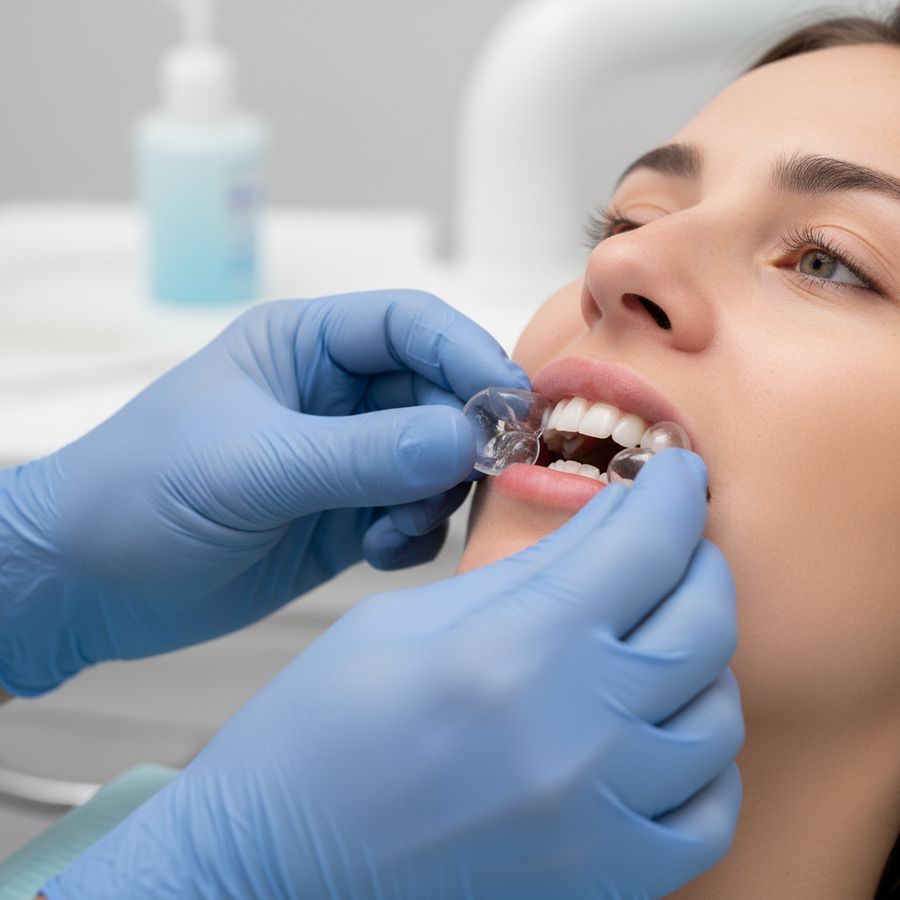
One of the most effective ways to prevent damage from nighttime grinding is wearing a night guard.
This oral appliance is worn during sleep and protects teeth from wear and damage. It acts as a protective barrier that distributes grinding forces evenly, reducing strain on both teeth and jaw joints.
There are different types of night guards:
Self-adjustable “boil and bite” models
Custom-made night guards fitted by a dental professional
Custom-made guards typically provide superior comfort and protection because they are precisely adapted to the individual’s bite.
Regular cleaning and periodic inspection are essential to maintain hygiene and long-term effectiveness.
“A properly fitted night guard is key to effectively protecting teeth and jaw from bruxism damage.”
Relaxation: Exercises for Jaw and Neck
Since stress plays a central role in bruxism, targeted relaxation techniques are an important part of treatment.
Helpful exercises include:
Gently opening and closing the mouth while consciously relaxing the jaw muscles
Massaging the jaw and neck muscles
Neck and shoulder stretching exercises
Breathing exercises and progressive muscle relaxation
Performing these exercises daily—especially as part of an evening routine—can help reduce muscle tension and grinding intensity.
“Targeted relaxation of jaw and neck muscles can significantly reduce nighttime grinding.”
Behavioral Changes: Sleep Hygiene and Stress Reduction
Sustainable improvement requires addressing underlying causes.
Good sleep hygiene includes:
Maintaining regular sleep schedules
Creating a calm and comfortable sleep environment
Avoiding screens and caffeine before bedtime
Establishing relaxing evening rituals such as reading or meditation
Active stress management is equally important. Mindfulness practices, yoga, or professional counseling can help reduce chronic tension.
“Behavioral changes and stress management are essential components in managing bruxism.”
When to See a Dentist or Sleep Specialist
If bruxism is suspected, an early visit to a dentist is recommended. The dentist can assess tooth wear, jaw strain, and other clinical signs, and may recommend a night guard.
In cases of severe symptoms or suspected underlying sleep disorders, evaluation in a sleep laboratory may be beneficial. Sleep patterns, muscle activity, and breathing are analyzed to rule out or treat conditions such as sleep apnea.
A multidisciplinary approach involving dentists, sleep specialists, and therapists offers the best chance for effective long-term management.
“Early diagnosis is crucial for successful and sustainable bruxism treatment.”
Conclusion
Bruxism is a common but often underestimated condition that can significantly affect teeth, jaw health, and overall well-being. Major contributing factors include stress, bite misalignment, and sleep disturbances.
A combined approach—protecting teeth with a night guard, practicing relaxation techniques, and improving sleep habits—provides the best protection against long-term damage.
Persistent or severe symptoms should always be evaluated by a healthcare professional to ensure appropriate and individualized treatment.
“With the right combination of protection, relaxation, and behavioral change, bruxism can be effectively managed—for healthier teeth and restorative sleep.”


